
The Struggle Behind the Stats
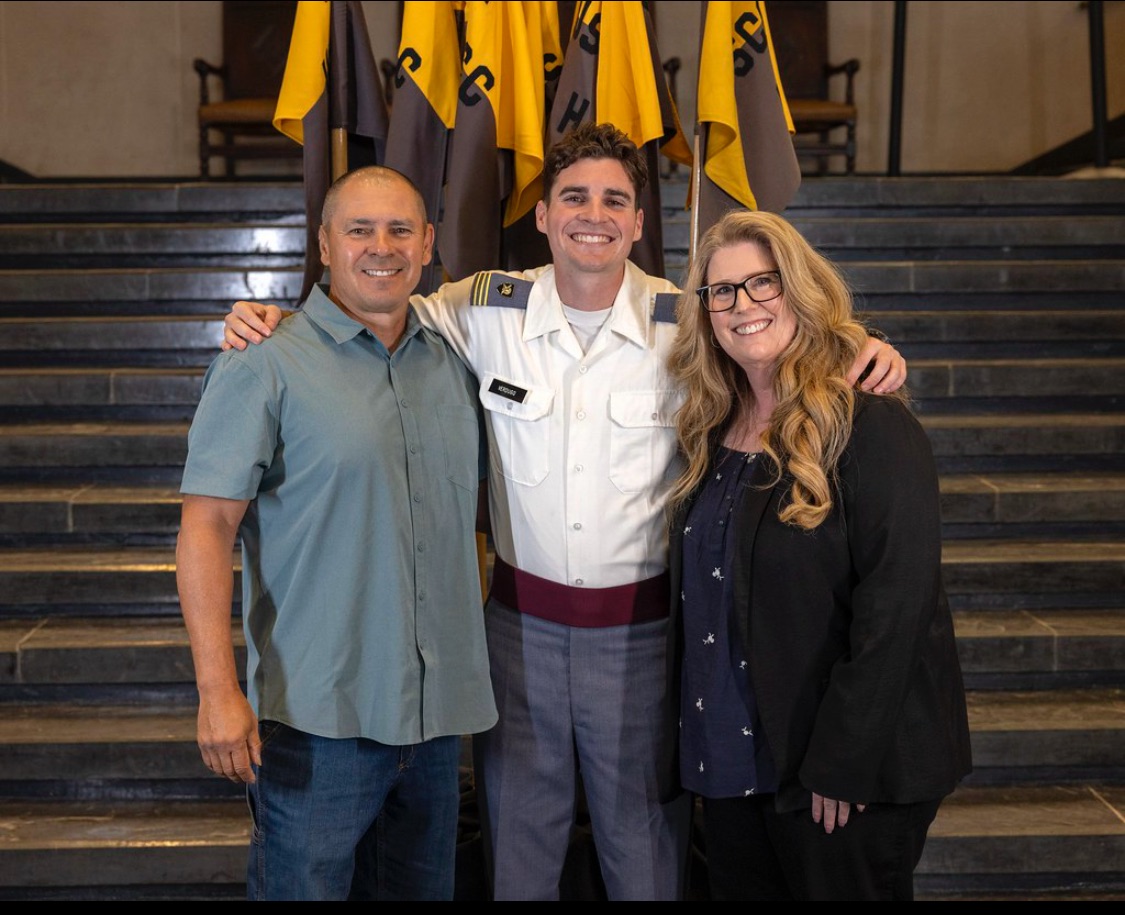
I’m Christopher Verdugo, a West Point graduate, Infantry Officer, Ranger School graduate, and lifelong athlete. I’ve been chasing performance for over 15 years. But most of what I know about it came from getting things wrong.
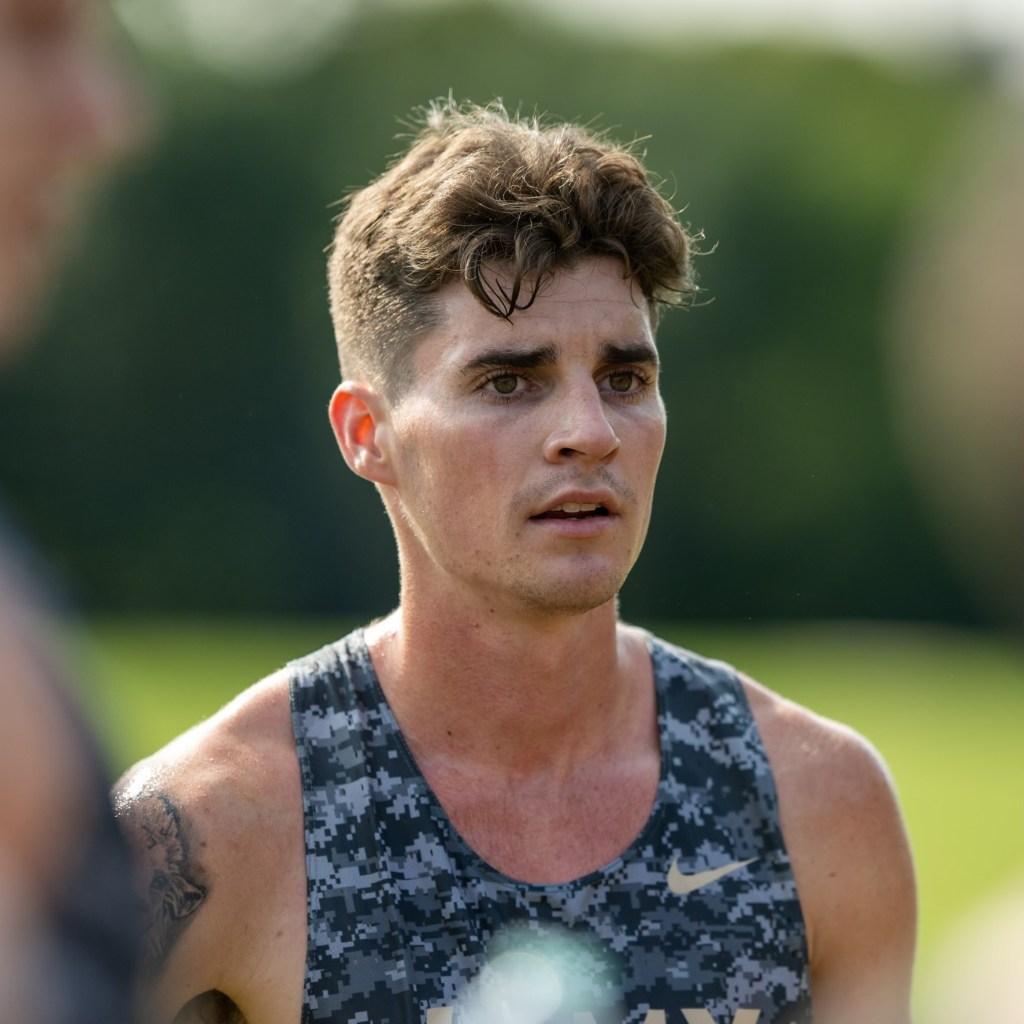
I ran Division I track and cross country at West Point. I ran a 4:14 mile, a 15:00 5K, and a 4:45 50K. But behind those numbers were stress fractures, weight swings, hydration problems, and confidence that came and went like the wind. My college running career felt like a failure. I didn’t feel seen. I didn’t feel believed in. Eventually, I was cut.
Redefining Performance
The Norwegian Foot March was one of my first experiments. 18.6 miles. A 26-pound ruck. Full Army uniform. I was a 136-pound distance runner. Moving weight wasn’t my world.
So, I spent seven months changing that. My bench went from 145 to 225 pounds. My deadlift went from 260 to 425. My bodyweight climbed from 136 to 152. Then I crossed the finish line in 2:30:08.
Later, I broke the 40-pound half-marathon world record. But something more important was happening. I was beginning to understand that performance didn’t have to exist on opposite ends of a spectrum. You could be fast and strong. You could build endurance without becoming fragile. You could move weight without giving up your ability to move.
Bet on Yourself
I had a coach once tell me I was genetically limited—that he’d just “do the best with what he got.” That stuck with me. Not because I thought he was right, but because I couldn’t understand how you could coach someone you’d already put a ceiling on.
So I bet on myself. I started studying training differently. I stopped asking what kind of athlete I was supposed to be and started asking what I could actually become. And eventually, that meant leaving the comfort of being “the runner.”

Move Fast. Move Weight. Do It Again.
That’s the simplest way I know how to describe the athlete I’m trying to build. Move Fast. Develop the engine to cover ground quickly and endure. Move Weight. Build the strength and durability to carry, lift, drag, climb, and work under load. Do It Again. Build the work capacity to recover and produce when the first effort wasn’t the last one.
But coaching isn’t about making someone train exactly like me. The athlete comes first.
I want to know what you’re preparing for. What you’re already dangerous at. Where you break. What your life actually allows. And, most importantly, why any of this matters to you. Then we build around that.
Because tactical performance isn’t about being the best runner or the strongest person in the room. It’s about becoming more capable when it matters.
“Bet on yourself. Commit to becoming the best at what you do.”

